



A Rainy Afternoon in a City You Do Not Know
Rainy Day Walks | September 28, 2026
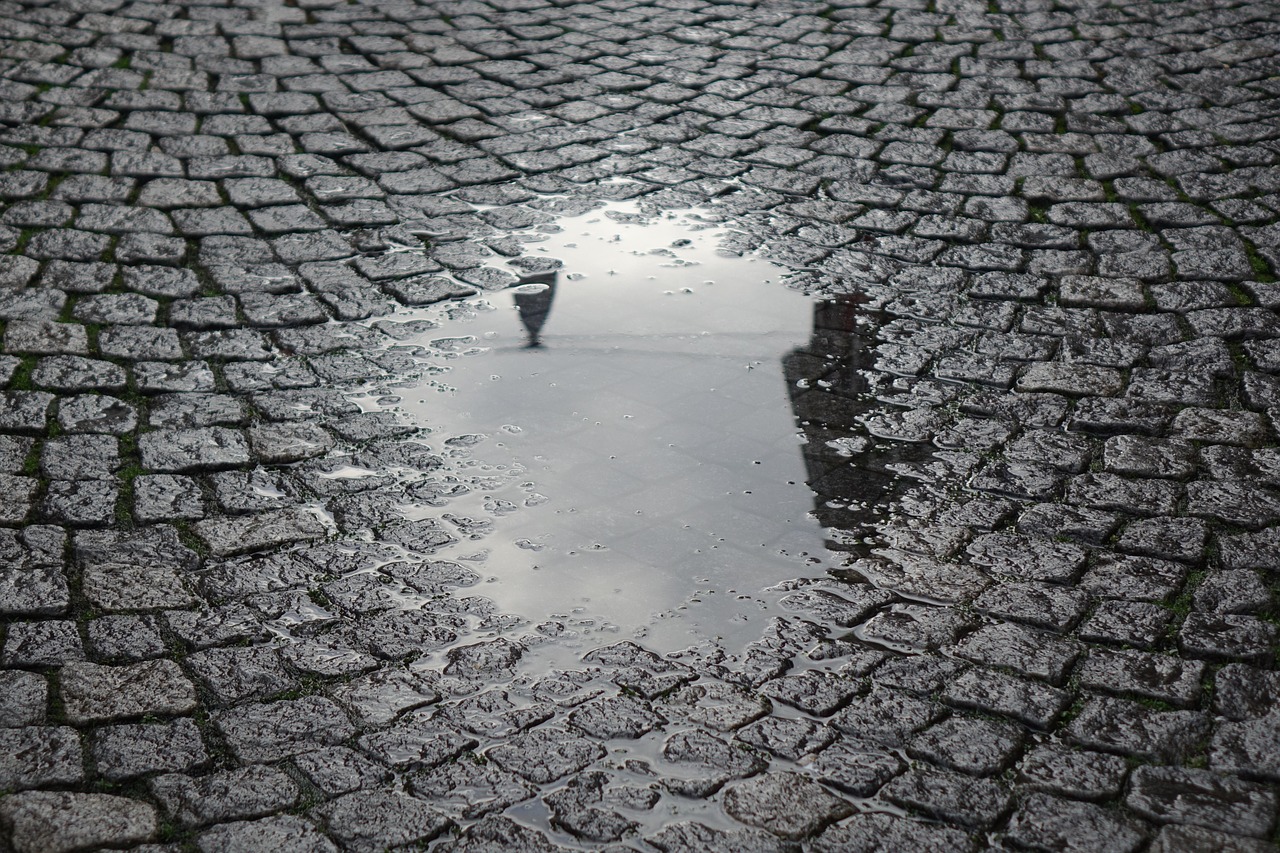
There is a certain kind of traveller who checks the forecast before a trip and feels a small pang of disappointment at the sight of rain. I used to be one of them. Now I plan for it. A rainy afternoon in a city you do not know is not a setback. It is a gift, and it took me an embarrassingly long time to realise it.
The reason is simple. On a sunny day, a new city performs for you. It puts on its best face, fills its squares with people, and shows you the version of itself that appears in guidebooks. On a rainy day, it forgets you are there. It goes about its business. And that is when you see it properly.
The City Without an Audience
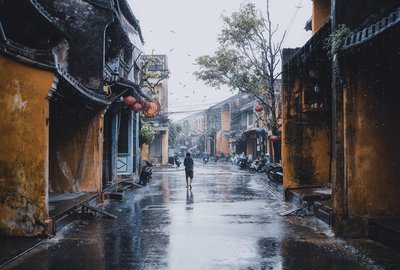
Walk into a strange city in the rain and you will find the places that matter are still open. The market, the bakery, the corner shop, the laundrette, the little restaurant with no English on the menu. These places do not care about the weather. They are where the city actually lives, and they are far more interesting than the monuments.
Stand in a doorway and watch. Watch how people move through the rain, which streets they take, where they stop. Follow a crowd and see where it goes. You will end up somewhere no guidebook mentions, which is usually the best place to be. A covered market. A tram stop. A park with a bandstand and no band. These are the places that stay with you, long after the famous sights have blurred together.
Rain also solves the problem of what to do. You do not have to decide. You just walk, and when you get wet enough, you go inside somewhere, and then you walk again. The day arranges itself. There is no pressure to tick off a list, because the list was never the point.
Getting Lost on Purpose
The best rainy walks in an unfamiliar city are the ones where you allow yourself to get lost. Not dangerously lost, just gently, the kind of lost where you know roughly which direction the river is, or which way the sun would be if it were out, and you trust that you will find your way back eventually.
Getting lost is how you learn a place. You notice the transitions between neighbourhoods, the way the architecture changes, the way the shops change, the way the people change. You find the small parks, the quiet streets, the odd little corners that no one would ever recommend. You build a mental map that is yours, not one that was handed to you.
And then, when you finally find your way back to wherever you are staying, wet and tired and slightly hungry, you will have a version of the city that most visitors never get. Not the postcard version. The real one. The one that was going about its business while you were walking through it, unnoticed, unremarked, and entirely your own.


-
Salt, Sun, and Slow Time: Photographing Wood That Has Been Everywhere
Sep 10, 2026Driftwood Photography

-
The Long Way Around: Why the Scenic Route Is Almost Always the Better One
Aug 26, 2026Rainy Day Walks

-


Drizzle and Drift

Overcast days are not bad for beach photography. They are the best days, if you know what to do with them.