



The Art of Walking Slowly Through a Rainy City
Rainy Day Walks | October 4, 2026
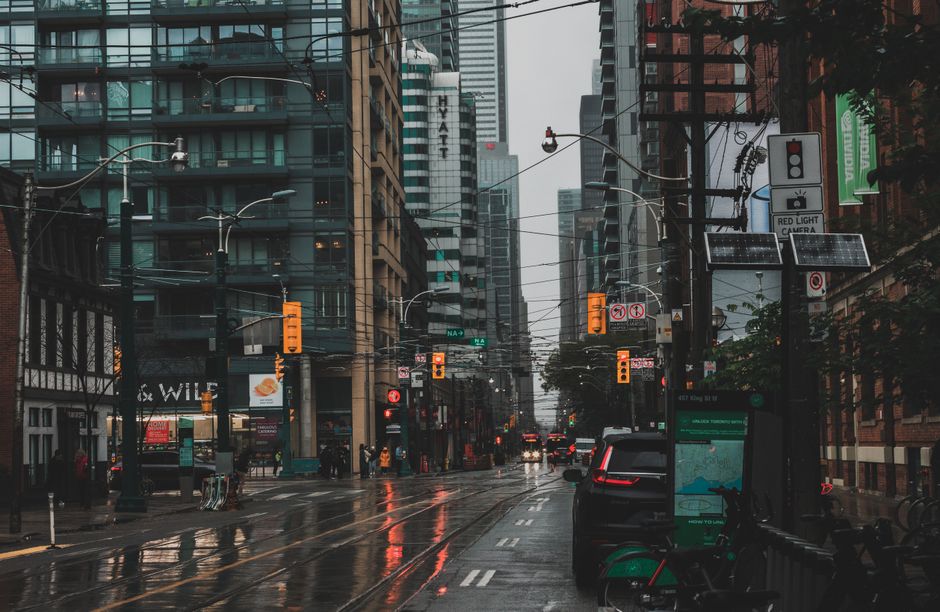
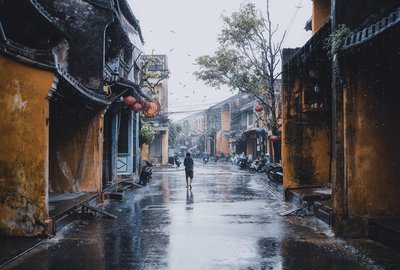
There is a particular kind of quiet that falls over a city when it rains. The usual rhythm breaks. People duck into doorways, pull their coats over their heads, and hurry toward wherever they were already going. And then there is you, walking at your normal pace, which is to say slowly, because you have nowhere in particular to be and the rain has already decided the day for you.
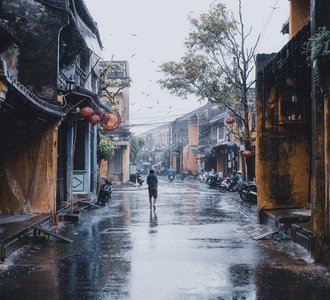
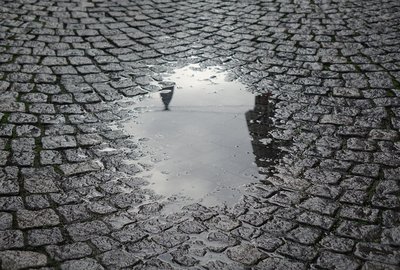
I started walking in the rain by accident. A trip to a coastal town years ago coincided with a week of grey skies, and rather than waste the days indoors I put on a jacket and went out anyway. What I found was a version of the place that the sunshine crowd never sees: empty promenades, reflections doubled in every puddle, shopkeepers leaning in doorways with nothing to do but nod at you as you pass. The rain had stripped the town down to its quieter self, and I have been chasing that feeling in cities ever since.
Walking Without a Destination
The first rule of a good rainy walk is to leave the map in your pocket. A destination turns a walk into a commute, and a commute is exactly the thing you are trying to escape. Instead, pick a direction and follow whatever catches your eye: a narrow street that slopes downhill, a church spire poking above the rooftops, the smell of bread coming from somewhere you cannot quite place.
Rain rewards this kind of wandering. Because fewer people are out, you notice more. A doorway with worn stone steps. A window box dripping onto the pavement. Graffiti that has softened and bled into the brickwork. These are small things, the kind you would walk past on a bright Saturday without a second glance, but in the rain they take on a weight they did not have before.
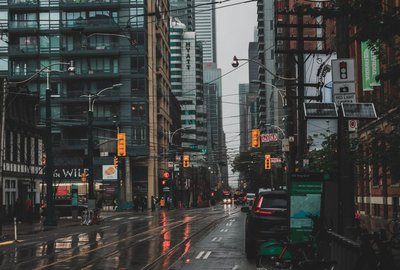
There is also the matter of sound. Rain changes the acoustics of a city. Traffic noise dulls. Footsteps become softer. You can hear a conversation across the street, a violin from an open window, the hiss of tires on wet asphalt. It is as if someone has turned the volume down on everything except the things worth hearing.
What to Carry, What to Leave Behind
You do not need much. A jacket that actually keeps water out, shoes you do not mind ruining, and perhaps a small camera or just your phone. Umbrellas are optional and often a nuisance; there is something freeing about letting the hood do its work and keeping both hands in your pockets. Leave the headphones at home. The whole point is to hear the city as it is.
Stop often. Stand under an awning and watch the rain fall for a few minutes without checking the time. Step into a cafe you would never otherwise enter, order whatever is warm, and sit by the window. The walk does not have to be continuous. It only has to be unhurried.
By the time you get back, damp and slightly cold, you will have seen a city that most people missed entirely. Not because they were unlucky, but because they were in a hurry. The rain was there for all of them. You were just the one who decided to stay out in it.


-
The Long Way Around: Why the Scenic Route Is Almost Always the Better One
Sep 10, 2026Coastal Driftwood

-

-

Drizzle and Drift
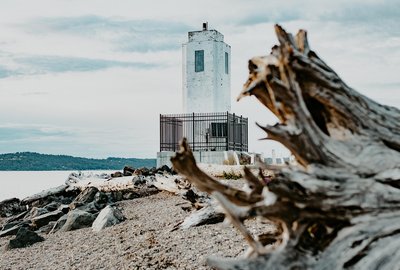
Every piece of driftwood on the beach is a small record of weather, time, and distance travelled.