
The Slow Return: Walking the Same Coastal Path in Every Season
Coastal Drift | September 22, 2026
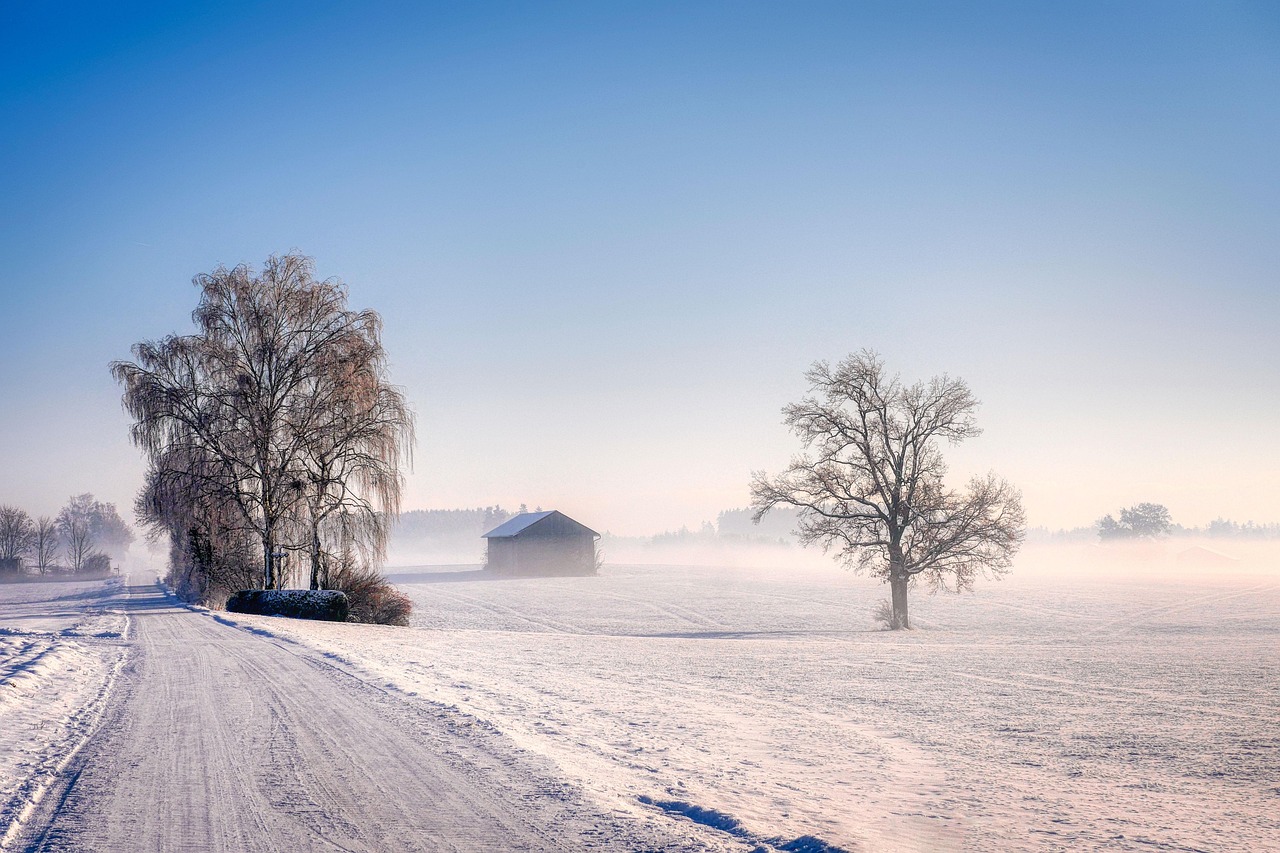
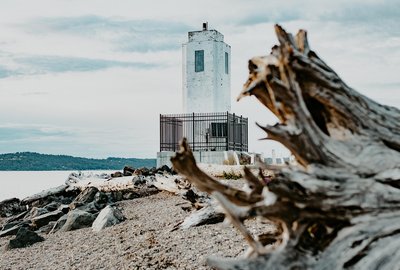
There is a stretch of coast I have walked more times than I can count. It is not dramatic. There are no cliffs, no famous views, no reason for anyone to put it in a guidebook. It is a path along a low shore, with a beach on one side and a strip of scrub on the other, and it takes about an hour to walk from one end to the other if you do not stop. I stop constantly. I have been walking it for years, in every season, in every kind of weather, and I am not remotely tired of it.
The common assumption about travel is that new is better. New places, new views, new experiences. And there is truth in that. But there is a different kind of travel, slower and quieter, that comes from returning to the same place again and again until you know it properly. This is the kind of travel I have come to prefer.
What Changes, What Stays
The path itself does not change much. The shape of the shore, the line of the scrub, the place where the beach narrows and the path has to climb a little: these are fixed. But everything else is in motion. The tide comes and goes. The sand shifts. The driftwood arrives and disappears. The birds change with the season. The light changes with the hour.
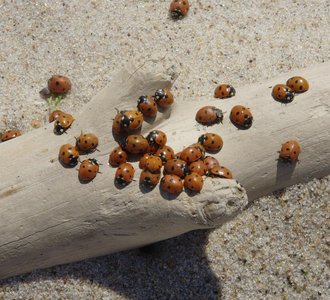
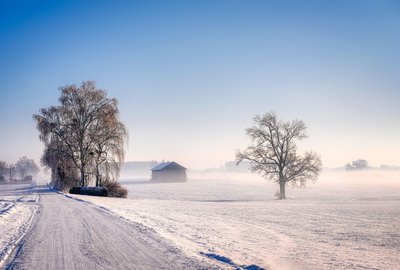
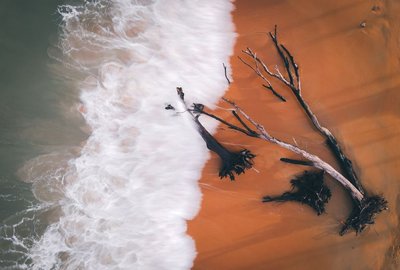
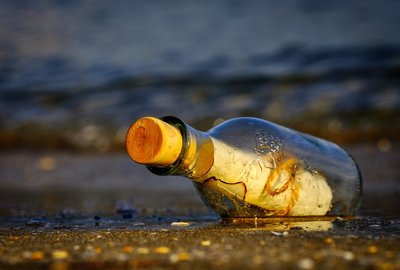
In winter, the path is empty and the sea is grey and the wind comes off the water with a bite. The driftwood is at its best then, washed up by storms, piled in the corners where the beach meets the scrub. In spring, the scrub fills with small flowers and the birds return and the path is busy with dog walkers. In summer, the beach fills with people and the path is hot and the sea is bright. In autumn, the light turns gold and the whole shore seems to slow down, and the first storms of the year begin to rearrange the driftwood again.
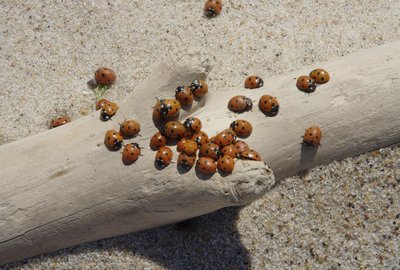
Walking the same path in every season is not repetition. It is a way of paying attention. You notice things you would never notice on a single visit, because you have something to compare them to. The way the sand has moved since last month. The way a particular piece of driftwood has been carried further up the beach. The way a tree that was standing last year is now a stump, and the stump is slowly becoming something else.
The Case for Going Back
There is a pressure, when you travel, to keep moving. To see as much as possible. To not waste time on places you have already been. I understand it, and I have felt it. But I have also come to see that this pressure is a kind of trap. It keeps you skimming the surface, never staying long enough to see what a place is really like.
Going back is how you get beneath the surface. It is how you learn the tides and the weather and the small details that make a place itself. It is how you stop being a visitor and start being, in some small way, a part of the place. Not a local, exactly, but something close: a regular. Someone who knows the path.
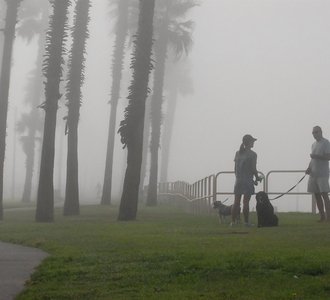
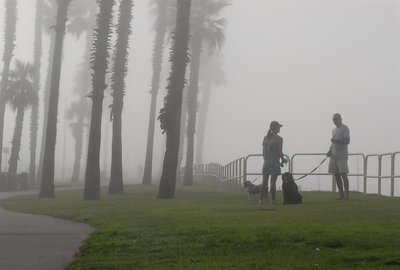
The next time you find a stretch of coast you like, do not just visit it once. Go back. Go back in the rain, in the fog, in the middle of winter when no one else is there. Go back until you know it. That is when the real travelling begins.
-

-

-
The Long Way Around: Why the Scenic Route Is Almost Always the Better One
Aug 27, 2026Driftwood Photography


Drizzle and Drift
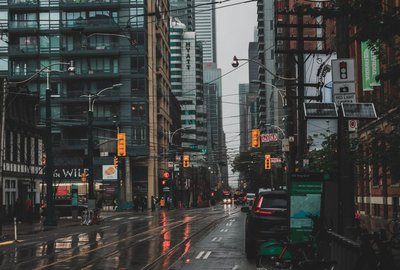
When the rain starts, most people hurry indoors, but the city has a different story to tell if you stay out in it.