


Salt, Sun, and Slow Time: Photographing Wood That Has Been Everywhere
Driftwood Photography | September 10, 2026
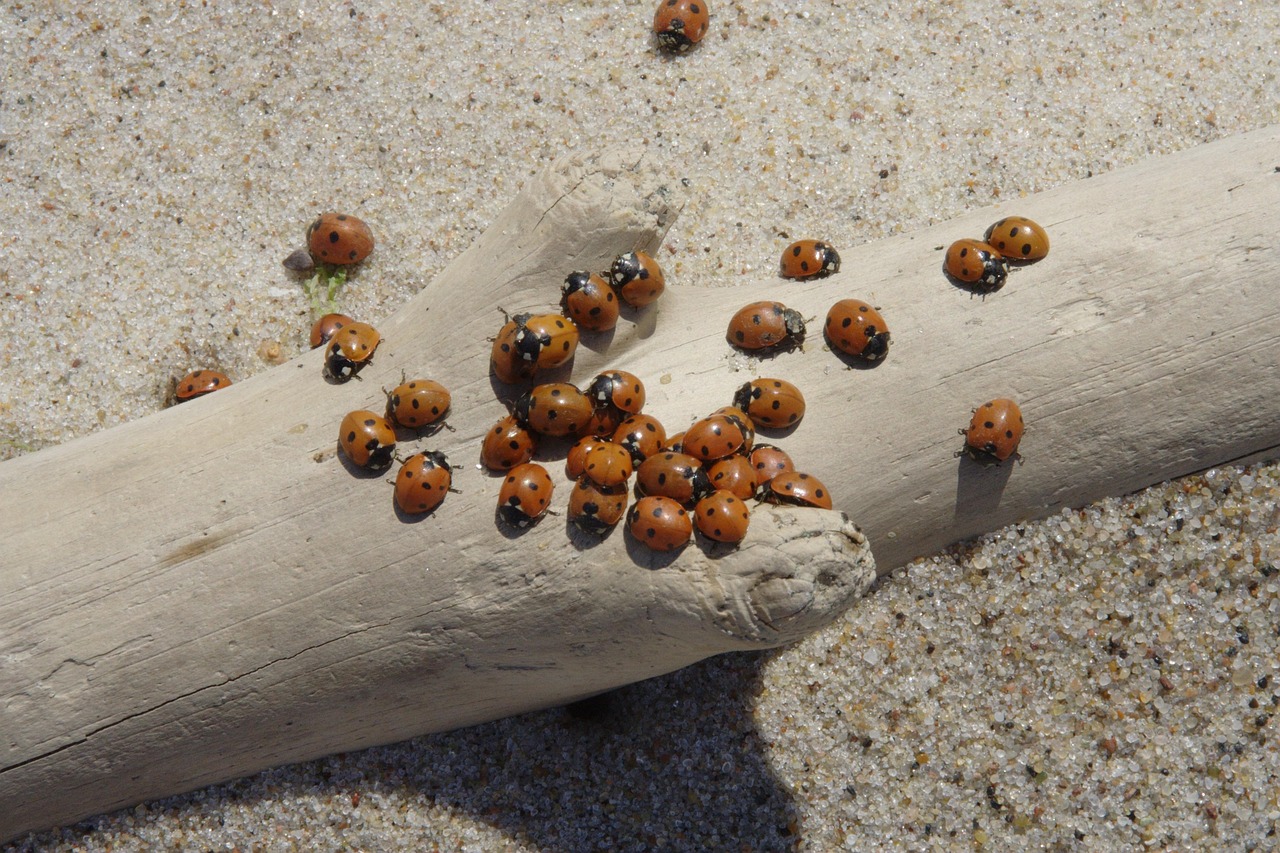
Driftwood is not a difficult subject to photograph. It does not move. It does not blink. It will wait for you while you fiddle with settings, change lenses, and reconsider your entire approach. That patience is exactly what makes it tricky. A subject that never leaves can make a photographer lazy.
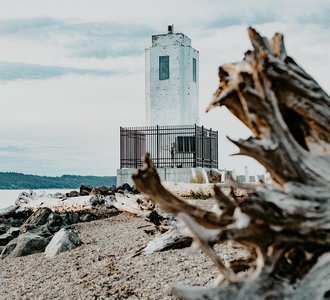
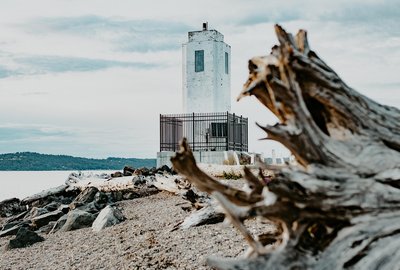
I have photographed a lot of driftwood over the years, mostly on the same stretch of coast, mostly in the same grey light. What I have learned is that the wood is not really the subject. The subject is time — the years of salt and sun and water that turned a tree into something else. The photograph either shows that or it does not.
Learning to See Texture
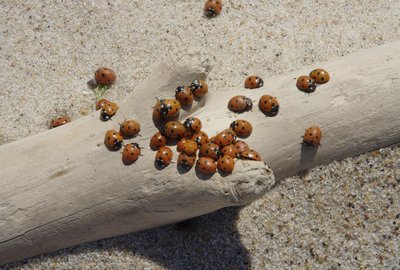
The first thing to notice about driftwood is its surface. New wood is smooth and pale and relatively uniform. Old wood is a different material entirely. It has grain lines that rise and fall. It has cracks that run deep and dark. It has knots that look like eyes and hollows that look like mouths. The longer a piece has been on the beach, the more it has to say.
Photographing texture is mostly about light, and the light on a grey coast is not what most photographers would choose. It is soft, even, and shadowless. There is no drama in it. But there is detail, and detail is what driftwood has to offer. A hard sun would bleach the surface and flatten the grain. The grey light lets every ridge and crack show itself.
I usually shoot close. Not always — sometimes a piece of wood is best understood as a whole shape, a curve or a tangle against the sand. But more often than not, the interesting part is a square foot of surface, not the entire log. I get down low, fill the frame with grain, and let the rest of the beach fall away.
I also shoot in the wet. Driftwood that has just been washed by the tide is darker and richer than dry wood, and the water in the cracks catches the light. The difference between wet and dry driftwood is the difference between a photograph and a snapshot.
Patience, Repetition, and the Same Beach
The best advice I can give about driftwood photography is to go back. Not once, not twice, but over and over, to the same stretch of coast, in the same season, in the same weather. The wood changes. The tide line changes. Your eye changes. The photographs you make in your third year will be nothing like the ones you made in your first, even if the subject looks the same.
I have a few pieces I have photographed a dozen times. A bleached stump that appears and disappears with the sand. A long curved branch that has been in the same spot for two winters now, slowly sinking. Each time I visit, I see something I missed before. That is not a failure of the earlier photographs. It is the whole point.
Driftwood is slow. It has been shaped by forces that operate over years, not minutes. If you want to photograph it well, you have to slow down too. Stand in the grey light. Wait for the tide to move. Look at the same piece of wood until it stops being a piece of wood and starts being a record of everywhere it has been.
That is the photograph worth making. Not the wood itself, but the time it carries.


-

-
Salt, Sun, and Slow Time: Photographing Wood That Has Been Everywhere
Aug 26, 2026Driftwood Photography

-
The Long Way Around: Why the Scenic Route Is Almost Always the Better One
Oct 1, 2026Rainy Day Walks

Drizzle and Drift

Choosing the slower path is not a sacrifice — it is the entire point of traveling in the first place.