
The Tide Line as a Gallery: Finding Beauty in What the Sea Rejects
Coastal Driftwood | September 16, 2026
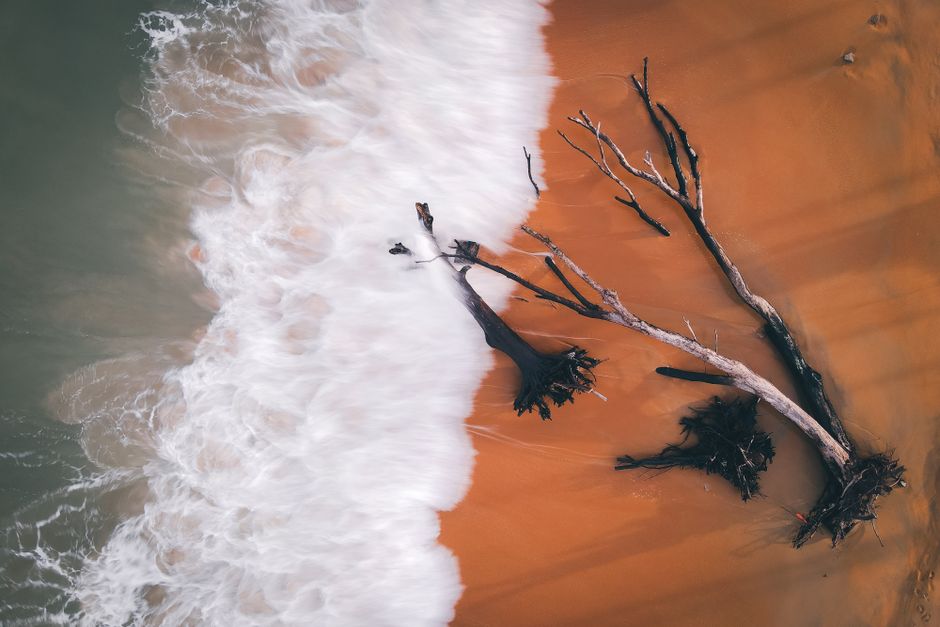
Every coastline has a tide line. It is the ragged border where the water stops and the land begins, marked by a thin ribbon of whatever the sea decided to leave behind. Most people step over it without looking. I have come to think of it as a gallery that installs a new show every few hours.
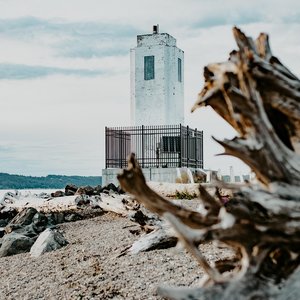
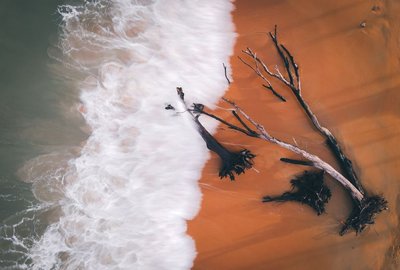
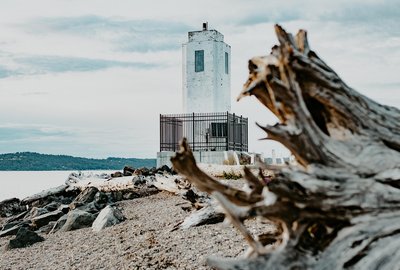
I started paying attention to tide lines during a winter walk on a beach I had visited a hundred times. The storm the night before had rearranged everything. Whole logs had been dragged up past the dunes. Ropes, bottle caps, a single child's boot. And driftwood — more than I had ever seen, bleached and stacked and tangled like a sculpture that had been assembled by someone with no interest in pleasing anyone.
What struck me was not the amount of debris. It was the arrangement. The sea does not scatter things randomly. It sorts them. Heavy objects settle first. Light ones travel further. The result is a kind of composition, accidental but coherent, that changes with every tide.
Reading the Season in What Washes Up
Over time, I began to notice patterns. After a big storm, the tide line is crowded and chaotic — logs, branches, kelp, and human odds and ends all mixed together. After a week of calm weather, it thins out. Just small things: shells, pebbles, fragments of plastic worn smooth by the surf. The tide line becomes a record of what the ocean has been doing.
There is a seasonal rhythm too, though I would not pretend to understand all of it. Winter storms bring heavier material. Spring runoff carries things down rivers and out to sea, and some of it eventually returns to shore. Summer, at least on the beaches I know, tends to be quieter. The tide line shrinks. The driftwood dries out and turns pale, and you can walk for a long time without finding anything worth stopping for.
I have learned to go looking after weather, not on a schedule. The best days are the ones right after a storm, when the air is still sharp and the beach is empty and the tide line is fresh. That is when the gallery has just been reinstalled, and no one else has seen it yet.
What to Notice, What to Leave
Not everything on the tide line is worth taking home. Most of it should stay where it is. Driftwood, in particular, belongs to the beach as much as it belongs to anyone. I photograph far more than I carry. A piece of wood that looks perfect in the grey light of a winter afternoon often looks like nothing more than a stick once it is in the back of a car.
What I look for is shape and texture. Curves that suggest movement. Surfaces that have been worn by water into something smooth and strange. Knots and hollows that make the wood look like it has a history. I do not need to know what that history is. I just need to see it.
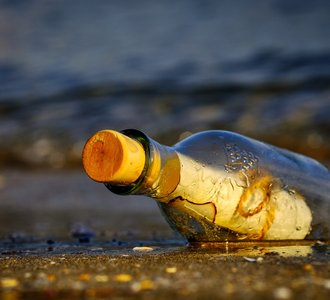
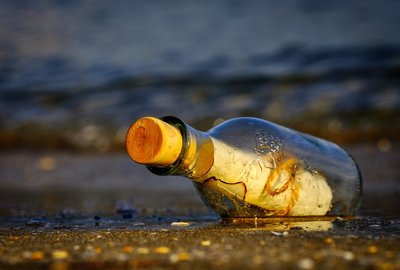
And I always leave the tide line better than I found it, in the small way that one person can. A few pieces of plastic, a length of fishing line, a bottle. It is not much. But the gallery belongs to everyone who walks it, and I would rather it stayed open.
The tide will come in again tonight. By morning, the whole exhibition will be gone. That is the point. Nothing on the tide line is permanent, and that is exactly what makes it worth seeing.


Drizzle and Drift
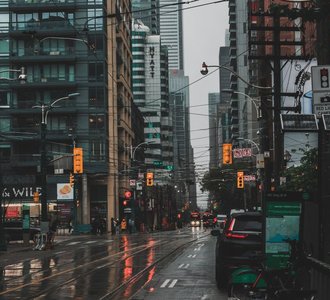
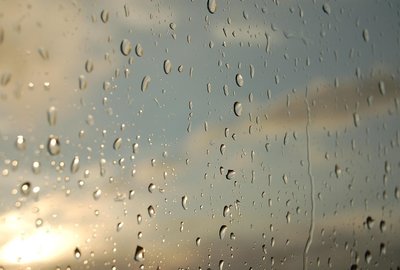
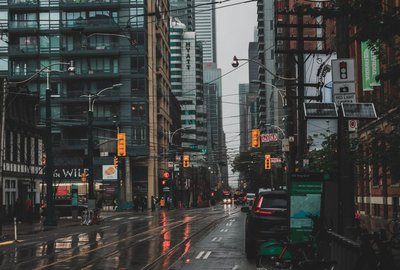
The best part of a rainy travel day is not the walking — it is the hour you spend watching the city get wet from behind a window.