
Driftwood: A Field Guide to Reading What the Sea Leaves Behind
Coastal Driftwood | October 1, 2026
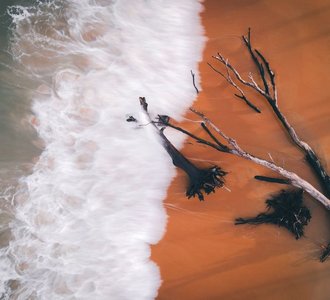
The first piece of driftwood I ever picked up was a smooth grey stick, no longer than my forearm, worn into a shape that did not look like anything in particular. I kept it for years, not because it was beautiful, but because it had clearly been somewhere. It had been a branch once, on a tree I would never see, in a place I would never visit, and then it had been in the sea, and then it had been on this beach, in my hand. That is a lot of history for a stick.
Driftwood is one of the few things on a beach that is genuinely different every time you visit. Shells repeat. Stones repeat. But the wood that washes up overnight is a fresh delivery, shaped by currents and storms that happened somewhere else, days or weeks or months ago. Learning to read it is a slow skill, and a satisfying one.
What the Shape Tells You
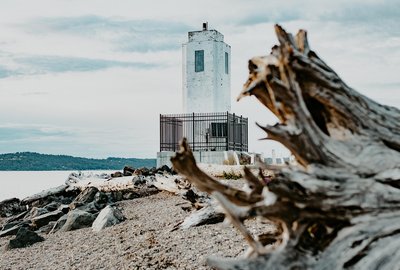
The surface of a piece of driftwood is a record of how long it has been in the water. Fresh wood, recently fallen, still shows bark and sharp edges. Wood that has been at sea for a season or two is softened, its splinters rounded off, its colour bleached by salt and sun. Wood that has been drifting for years is smooth as stone, sometimes grey as ash, with the grain standing out in fine ridges where the softer fibres have worn away.
Knots and burls are worth looking for. They are the hardest parts of a tree, and they survive long after everything around them has eroded, leaving strange lumps and eyes in the wood. Holes are worth looking at too. A hole worn through by water, rather than drilled or bored by insects, has a smooth, organic edge, wider on one side than the other. These are the pieces that photographers tend to keep.
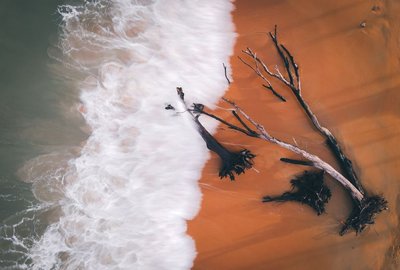
Colour matters as well. Pale wood is usually recent. Dark wood has either been in the water a long time or has been buried in wet sand, where it absorbs tannins and minerals. Sometimes you will find a piece that is almost black, heavy, and cold to the touch; these are often old, sometimes very old, and they feel different in the hand.
Photographing What You Find
Driftwood is one of the easiest subjects in photography and one of the hardest to photograph well. The problem is that it all looks the same in a picture if you are not paying attention. The trick is to treat each piece as an individual. Get close. Look for the detail that made you stop in the first place: a curve, a knot, a line of grain, the way the wood rests on the sand.
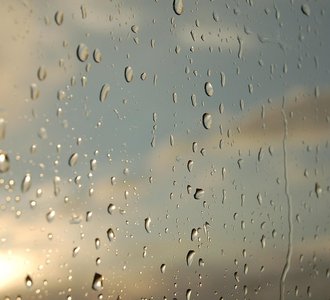
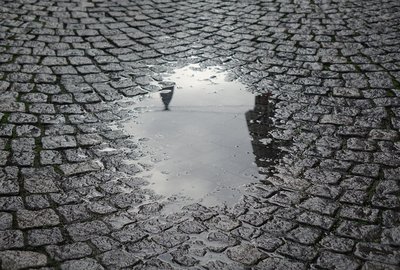
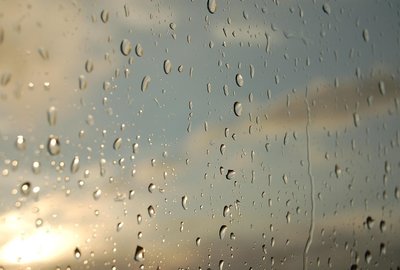
Wet days are good for this. Rain darkens the wood and deepens its colour, and the flat grey light removes the harsh shadows that can make beach photographs look like holiday postcards. If the tide is going out, the wet sand will reflect the sky, and you can use that as a background. If the light is dull, so much the better; dull light is honest light.
Do not take everything home. The beach needs its driftwood, and so do the insects and the birds and the next person who walks past. Take a photograph, take one small piece if you must, and leave the rest where the sea put it. It will still be there tomorrow, or it will be somewhere else. Either way, it is not yours to keep.


-

-

-
The Long Way Around: Why the Scenic Route Is Almost Always the Better One
Sep 3, 2026Rainy-Day Walks


Drizzle and Drift
Arriving somewhere new in bad weather is not bad luck. It is an advantage.