

How to Photograph Driftwood in Flat, Grey Light
Coastal Driftwood | September 25, 2026
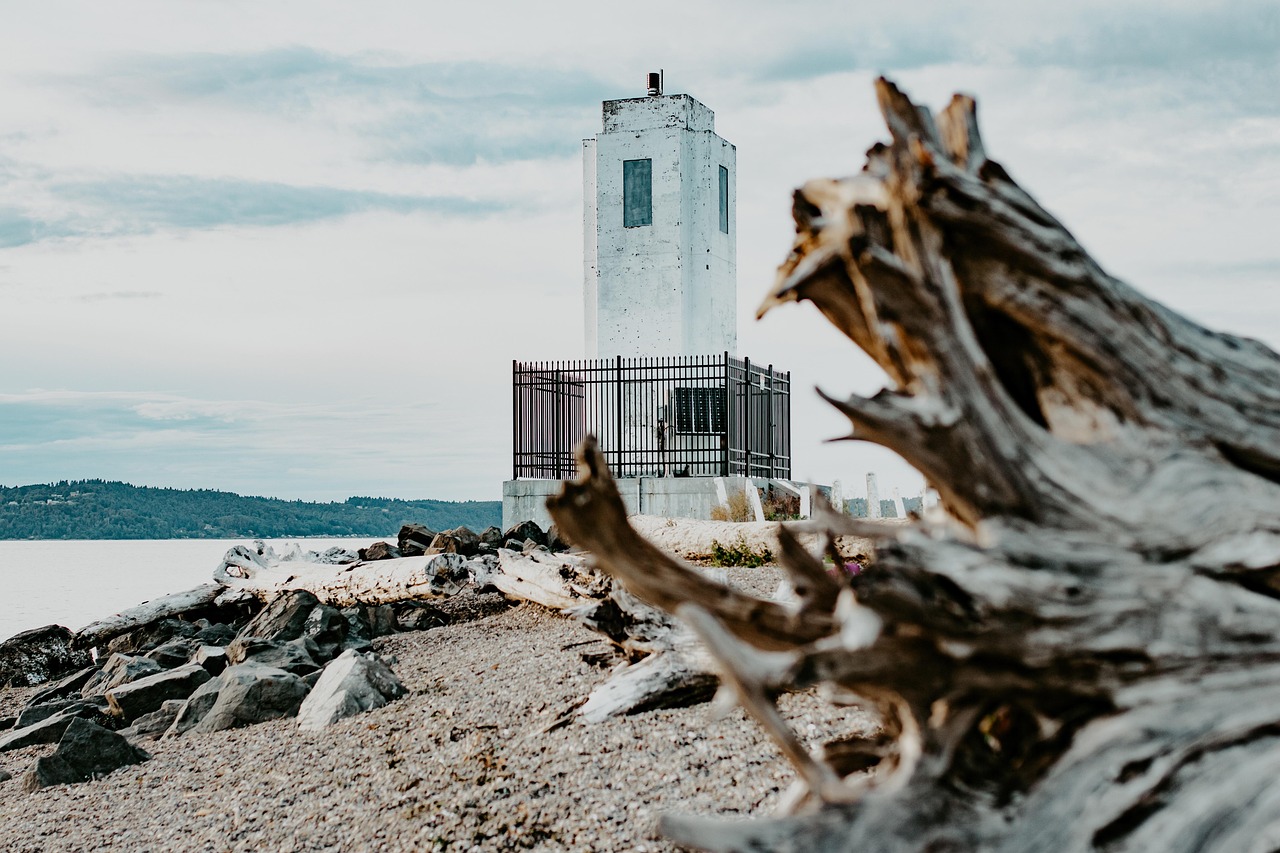
Most people who take photographs on a beach wait for a sunny day. They want blue sky, sharp shadows, and a horizon you can see for miles. And then they come home with pictures that look exactly like everyone else's pictures, because a sunny beach is a sunny beach, and there is only so much you can do with it.
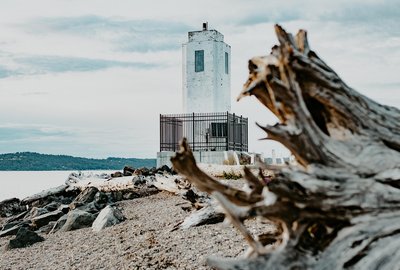
The days I look forward to are the grey ones. Overcast, drizzly, a bit cold. These are the days when driftwood photographs best, and it took me a long time to understand why. The answer is light. Soft, even, directionless light does not fight with you. It does not blow out the highlights or crush the shadows. It just sits there, quietly, and lets the subject be the subject.
Why Flat Light Works
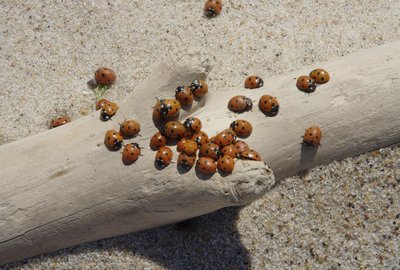
Driftwood is a subject of texture. Its beauty is in the grain, the knots, the worn edges, the fine ridges where the sea has sanded it down. Hard sunlight destroys texture. It creates bright patches and black shadows that hide exactly the details you want to show. Flat light does the opposite. It reveals the surface, evenly, without drama, and the wood looks like what it is.
Colour also behaves better in grey light. Wet driftwood, in particular, takes on a depth and richness that it does not have in the sun. The greys go blue, the browns go deep, the blacks go blacker. And because there is no glare, the camera can capture all of it without fighting.
The background is easier too. A grey sky is a clean, neutral backdrop. It does not compete with the wood. It does not distract. It just holds the subject up, like a plain wall in a gallery.
Practical Approaches on a Grey Day
Get low. Most driftwood photographs are taken from standing height, looking down, and they all look the same. Kneel, or sit, or lie on the sand if you are willing. Shoot along the length of the wood rather than across it. Let it lead the eye into the frame. Look for the lines that the sea has carved and follow them.
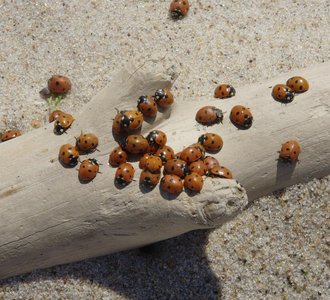
Get close. Fill the frame with one piece. The details that make driftwood interesting are small: a knot, a crack, a line of grain, a bit of rope still tangled around a branch. These are the photographs that people stop and look at, because they show something that most people walk past without seeing.
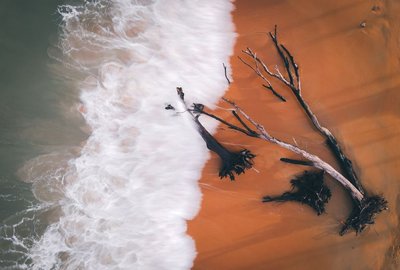
Use the sand and the sky as your only background. Do not try to include the whole beach. A single piece of wood, wet, on grey sand, under grey sky, is enough. The simplicity is the point.
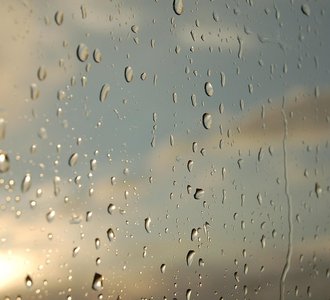
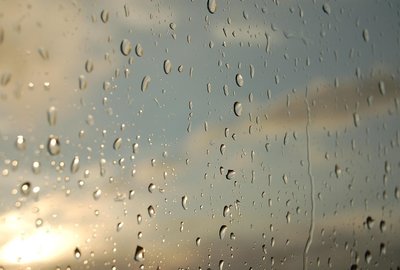
And do not be afraid of the rain itself. A few drops on the lens, a bit of mist in the air, a wet sheen on the wood: these are not problems. They are the conditions that made the photograph worth taking in the first place. The grey day is not a compromise. It is the whole reason you are out there.


Drizzle and Drift
Walking the same stretch of coast again and again is not repetitive. It is the whole point.